The movie continued on May 12th, 2011
The emperor sought council outside of their ranks.
Tiberius is now the leader of the Roman Empire.
Caligula "Bootsy" has his two older brothers in prison.
The time turned into a time of corruption and greed. People started to perform slavish acts.
Tiberius could not stop the purge.
In the year 26, Tiberius has turned his back on Rome and went to the island of Capri. He sought re leaf in astronomy. He created sex tribes. He decorated the rooms with Egyptian pornography.
In this system with Tiberius being able to do anything he wants, he can engage in this sick behavior and it is completely wrong with the Emperor being in charge and untouchable.
Some people think that Tiberius behavior was a result from led poisoning.
Caligula was his only surviving error.
Than the movie goes on and talks about Mary, Joseph, and Jesus. It does this because Augustus died and Tiberius started to rule right around Jesus' time in the First century.
Thursday, May 12, 2011

Movie Notes:
- pax romana - a long period of peace while Augustus was in charge.
- First century, right around where Christ was born
- Augustus had died after providing over forty years of peace
- The peace ended after he died
- years to come would be years of triumph
- the empire was now conquered land
- the Mediterranean (controlled by Rome) was probably the most important thing in the world; it was controlled by the Roman Empire in the first century
- Spain, Greece, Judaia, Syria, Africa were all controlled by the Roman Empire
The languages from these became to be known as "Romance" languages
- Augustus was declared a god by the Senate
- Tiberius his adopted son was given power.
- Augustus died 74 years of an illness, he was in charge since he was 18
- Tiberius in some ways was not that good to take charge
- He took over and problems started with one guy taking contol of everything
- Tiberius got divorced, but he still loved the girl.
Tiberius was Augustus' doctor son and he married Octavions real daughter, even know Tiberus didn't want to
- Granicus (younger) is going to come and try to take control of the situation
- caligela - "bootsy"
- pax romana - a long period of peace while Augustus was in charge.
- First century, right around where Christ was born
- Augustus had died after providing over forty years of peace
- The peace ended after he died
- years to come would be years of triumph
- the empire was now conquered land
- the Mediterranean (controlled by Rome) was probably the most important thing in the world; it was controlled by the Roman Empire in the first century
- Spain, Greece, Judaia, Syria, Africa were all controlled by the Roman Empire
The languages from these became to be known as "Romance" languages
- Augustus was declared a god by the Senate
- Tiberius his adopted son was given power.
- Augustus died 74 years of an illness, he was in charge since he was 18
- Tiberius in some ways was not that good to take charge
- He took over and problems started with one guy taking contol of everything
- Tiberius got divorced, but he still loved the girl.
Tiberius was Augustus' doctor son and he married Octavions real daughter, even know Tiberus didn't want to
- Granicus (younger) is going to come and try to take control of the situation
- caligela - "bootsy"
Tuesday, May 10, 2011
May 10th
Today in class we went over our Greek test and we went over our Rome test. I wasn't to happy with the outcome. I am really going to study the correct answers to the test so that I will of well on the Final. It brought my grade down a whole letter grade which I am not very proud of.
Thursday, May 5, 2011
The first three groups that came into Rome:
- Latins
- Etruscans
- Greeks
- Rome was located by the Tibris River
- Tarcan the Proud was the last king, too much power, too much control, too little regard of people's lives. They ran him out of town and than decided that they would not have one person in charge again.
Emily and Elena's power point - Governments rolled into one
Consul: was the highest elected office of the Roman Republic under the Empire
Republic -
Democracy -
Aristocracy -
- The senate was like the aristocracy
- Monarchy - gov. in which all political power is passed down to an individual known as a monarch
- Not a tyranny
- Tyranny is unrestrained ex. of power; abuse of power
- arbitrary or unrestrained ex. of power, despotic abuse of authority
- A roman legion normally indicates the basic ancient Roman army unit recruited specifically from Roman citizens.
- They were not in it for pay at first, but later they just worked for the most pay.
- The Punic War were a series of three wars fought between Rome and Carthage from 264 to 146 BC.
Carthage is in Africa.
- Hannibal Barca, son of Hamilcar Barca was a Carthaginian military commander and tactician who is popularly credited as one of the most talented commanders in history.
- The Alps is one of the greatest mountain ranges.
Rachel and Emily W.
3rd Paragraph
- soon after the end of the third Punic War, Carthage and Rome became very big in size.
- Therefor because Rome conquest and growth it became an Empire.
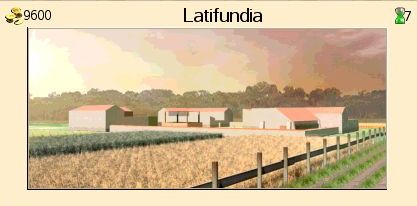
Latifudina - These were cheaper to run and forced farmers to sell their land and move to Rome.
- With these, the rich kept getting richer and the poor kept getting poorer. Of course the rich were powerful, happy, and greedy, but this created a corruption. The poor on the other hand were angry and caused riots.
- Our of these riots the Gracchus brothers.
- they led movements for public good and redistribution of land.
- they also wanted the gov. to supply food to the poor and create a sort of "welfare"
- They were soon seen as a threat to the wealthy and were killed along with their followers. This triggered a one hundred- year war.
Rita and Colleen - Fourth Paragraph
- The Rubicon is a stream of northeastern Italy marked the ancient boundary between Italy and Cisalpine.
- Julius Caesar - Started to rise in 60 BC
- In 58 BC he started the conquest of Gaul
- He wanted to get rich.
After his campaign he started in Gaul with his Army until he would be chosen as the new consul
Political opponents wanted him to get back to Roma and be prosecuted for the things he had done when was a consul.
He had made a decision that resulted in the fall of the Roman republic. He lead his armies across the river of Rubicon and said the well-known, "Aiacta est" He started towards Rome in January of 49 BC.
The first Triumvirate was the political alliance of Gauss Julius Caesar, Marcus Licinius Crassus, and Gnaeus Pompeius Magnus.
The divided up the Roman provinces.
Crassus the financier, would receive Syria. Pompey, the general, Spain; Caesar, who would soon show himself to be a skilled politician as well as a military leader, Cisalpine and Transalpine Gaul and Illyricum.
Crassus -
Magnus -
Caesar -
Mark and Jason - Fifth one
Julius's Death Overview
- he was said to be stabbed 23 times when he was killed.
- He was killed in the theater of Pompey.
- He was said to be killed on March 15th.
- The assassination day was March 15th, 44 BC
- 60 or more men were said to participate in the assassination
- The leader of the conspiracy group was led by Cassius.
- "Et tu brute" were said said to be the last words Caesar said, but this was never proven.
- He was first stabbed by a guy names Cascas.
- Cascas grabbed him by the toga and when Caesar said, "Why this violence?", than Cascas stabbed him just below the neck.
- After Cascas stabbed him, he took Cascas arm and pushed hum away.
- He tried to get up than he felt another wound and then realized that he was stabbed 23 times. He then fell to the floor.
Amir and Cole - Paragraph 6
Rome
- Octavian was the Grand- Nephew and adopted son of Julius Ceaser. At age 18 he was a small stickly boy who ruled with Mark Antony.
They both got revenge on the people who killed Julias: over 100 senators and 2000 buisnessmen.
The Second Triumvirate
War between Octavian and Mark
Antony married Octavian's sister as a political gesture when the partnered up while he was in Egypt he met Clepatra.
He was divorced to Octavian's sister and he married Cleopatra.
- Latins
- Etruscans
- Greeks
- Rome was located by the Tibris River
- Tarcan the Proud was the last king, too much power, too much control, too little regard of people's lives. They ran him out of town and than decided that they would not have one person in charge again.
Emily and Elena's power point - Governments rolled into one
Consul: was the highest elected office of the Roman Republic under the Empire
Republic -
Democracy -
Aristocracy -
- The senate was like the aristocracy
- Monarchy - gov. in which all political power is passed down to an individual known as a monarch
- Not a tyranny
- Tyranny is unrestrained ex. of power; abuse of power
- arbitrary or unrestrained ex. of power, despotic abuse of authority
- A roman legion normally indicates the basic ancient Roman army unit recruited specifically from Roman citizens.
- They were not in it for pay at first, but later they just worked for the most pay.
- The Punic War were a series of three wars fought between Rome and Carthage from 264 to 146 BC.
Carthage is in Africa.
- Hannibal Barca, son of Hamilcar Barca was a Carthaginian military commander and tactician who is popularly credited as one of the most talented commanders in history.
- The Alps is one of the greatest mountain ranges.
Rachel and Emily W.
3rd Paragraph
- soon after the end of the third Punic War, Carthage and Rome became very big in size.
- Therefor because Rome conquest and growth it became an Empire.
Latifudina - These were cheaper to run and forced farmers to sell their land and move to Rome.
- With these, the rich kept getting richer and the poor kept getting poorer. Of course the rich were powerful, happy, and greedy, but this created a corruption. The poor on the other hand were angry and caused riots.
- Our of these riots the Gracchus brothers.
- they led movements for public good and redistribution of land.
- they also wanted the gov. to supply food to the poor and create a sort of "welfare"
- They were soon seen as a threat to the wealthy and were killed along with their followers. This triggered a one hundred- year war.
Rita and Colleen - Fourth Paragraph
- The Rubicon is a stream of northeastern Italy marked the ancient boundary between Italy and Cisalpine.
- Julius Caesar - Started to rise in 60 BC
- In 58 BC he started the conquest of Gaul
- He wanted to get rich.
After his campaign he started in Gaul with his Army until he would be chosen as the new consul
Political opponents wanted him to get back to Roma and be prosecuted for the things he had done when was a consul.
He had made a decision that resulted in the fall of the Roman republic. He lead his armies across the river of Rubicon and said the well-known, "Aiacta est" He started towards Rome in January of 49 BC.
The first Triumvirate was the political alliance of Gauss Julius Caesar, Marcus Licinius Crassus, and Gnaeus Pompeius Magnus.
The divided up the Roman provinces.
Crassus the financier, would receive Syria. Pompey, the general, Spain; Caesar, who would soon show himself to be a skilled politician as well as a military leader, Cisalpine and Transalpine Gaul and Illyricum.
Crassus -
Magnus -
Caesar -
Mark and Jason - Fifth one
Julius's Death Overview
- he was said to be stabbed 23 times when he was killed.
- He was killed in the theater of Pompey.
- He was said to be killed on March 15th.
- The assassination day was March 15th, 44 BC
- 60 or more men were said to participate in the assassination
- The leader of the conspiracy group was led by Cassius.
- "Et tu brute" were said said to be the last words Caesar said, but this was never proven.
- He was first stabbed by a guy names Cascas.
- Cascas grabbed him by the toga and when Caesar said, "Why this violence?", than Cascas stabbed him just below the neck.
- After Cascas stabbed him, he took Cascas arm and pushed hum away.
- He tried to get up than he felt another wound and then realized that he was stabbed 23 times. He then fell to the floor.
Amir and Cole - Paragraph 6
Rome
- Octavian was the Grand- Nephew and adopted son of Julius Ceaser. At age 18 he was a small stickly boy who ruled with Mark Antony.
They both got revenge on the people who killed Julias: over 100 senators and 2000 buisnessmen.
The Second Triumvirate
War between Octavian and Mark
Antony married Octavian's sister as a political gesture when the partnered up while he was in Egypt he met Clepatra.
He was divorced to Octavian's sister and he married Cleopatra.
Wednesday, May 4, 2011
Tuesday, May 3, 2011
The laws that were written down in Ancient Rome was called the Twelve Tables.
The laws were posted public so everyone would see them the people know which not to break and if broken what the consequences are.
Republic
Monarchy - councils (There was usually two. If one didn't agree with the other it was a veto. They served for one year and than they were out and than had to wait 10 years until they could run again.
Aristocracy - the senate (Was the group of senators.)
Democracy - the assembly (elected their own from the ranks of the plebeians)
Who fought their way into Rome and actually destroyed part of Rome? The gulls .
Who fought the Punic Wars? Carthage and Rome
Carthage general - Hannibal and Scipio
Roman politic that shouted out things at every battle to get them fired up "Carthage must be destroyed"
Mr. Schick also allowed us to retake our quiz I got a 100 (:
Sunday, May 1, 2011
10 pictures
 |
| Rome |
 |
| Roman soilder |
 |
| The Calvary in Rome |
 |
| The Tiber River |
 |
 |
| Ancient Roman Senate |
 |
| Cleopatra |
 |
| Roman Patricians |
 |
| Roman Plebeians |
 |
| Etruscans |
Subscribe to:
Posts (Atom)